Ever found yourself tucked in bed, only to realize you left the lights on downstairs? Or wished you could dim the ambiance for movie night without leaving the couch? That’s where a smart Wi-Fi light switch steps in, transforming mundane lighting control into an effortless experience. At QMSIT, we’ve seen firsthand how these clever devices are revolutionizing homes, making daily life simpler, more efficient, and a whole lot smarter.
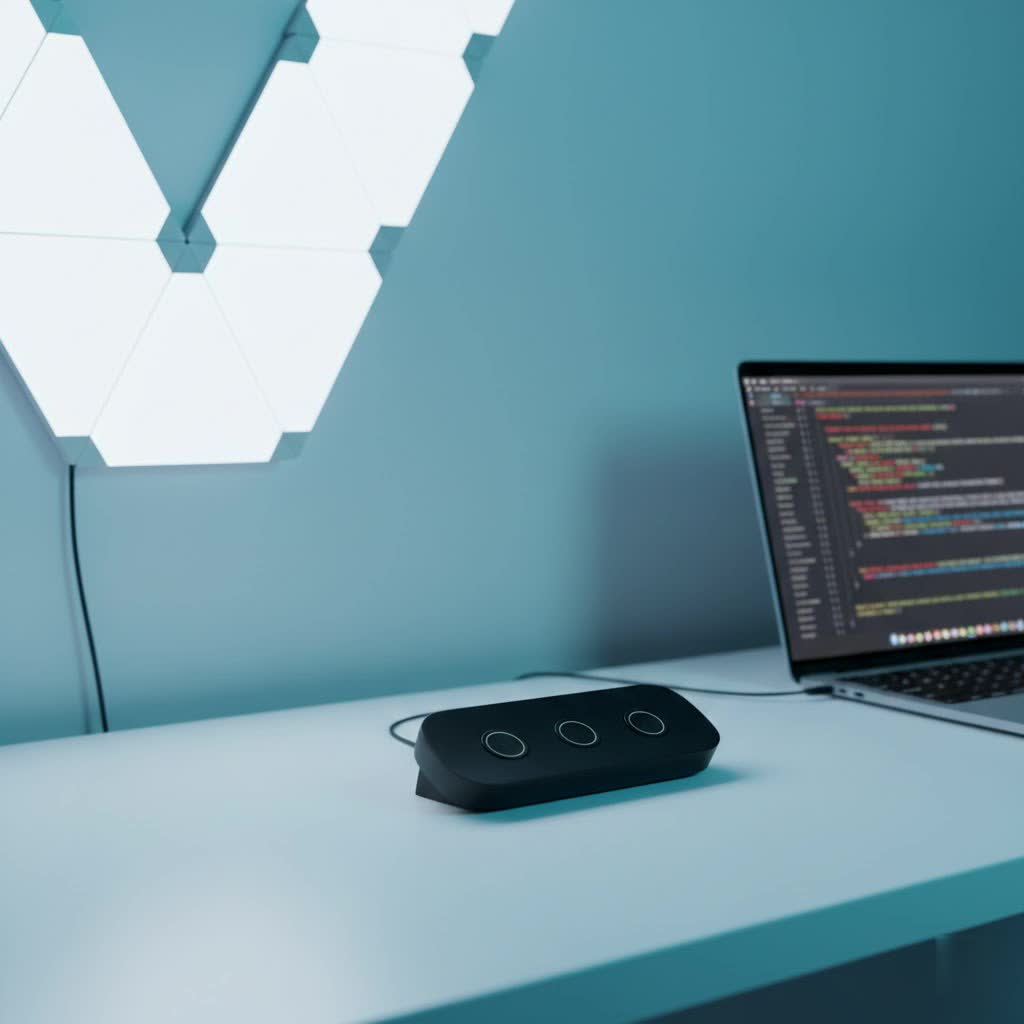
What Exactly is a Smart Wi-Fi Light Switch?
A smart Wi-Fi light switch is essentially an upgraded version of your traditional wall switch, packed with connectivity. Instead of just manually flipping a switch, this device connects directly to your home’s Wi-Fi network. This connection allows you to control your lights from anywhere using a smartphone app, your voice with smart assistants like Alexa or Google Home, or through automated schedules. Think of it as giving your old light fixture a brand-new, intelligent brain. Unlike traditional switches that only complete or break a circuit when physically operated, a smart Wi-Fi light switch integrates electronic components and a Wi-Fi module to enable remote and programmed control, offering a level of convenience and functionality that manual switches simply cannot match.
Why Upgrade? The Brilliant Benefits of Smart Wi-Fi Light Switches
Embracing smart Wi-Fi light switches isn’t just about showing off cool tech; it’s about making your home life genuinely better.
Remote Control & Convenience
|
Our Picks for the Best Smart Switch in 2026
As an Amazon Associate I earn from qualifying purchases.
|
||
| Num | Product | Action |
|---|---|---|
| 1 | Leviton Decora Smart Switch, Wi-Fi 2nd Gen, Neutral Wire Required, Works with Matter, Alexa, Google Assistant, Apple Home/Siri & Wired or Wirefree 3-Way, D215S-1RW, White |

|
| 2 | Kasa Smart Switch 2-Gang HS200-2, Single Pole,Neutral Wire Required, 2.4GHz Wi-Fi Light Switch Compatible with Alexa and Google Home, UL Certified, No Hub Required, White |
|
| 3 | Kasa Matter Smart Light Switch: Voice Control w/Siri, Alexa & Google Assistant, UL Certified, Timer & Schedule, Easy Guided Install, Neutral Wire Required, Single Pole, 2.4GHz Wi-Fi, 3-Pack |
|
| 4 | GHome Smart Switch, 3 Way Wi-Fi Light Switch Compatible with Alexa and Google Home, 2.4GHz Schedule Timer, Neutral Wire Required, 3-Way Installation, FCC Listed (4-Pack), White |
|
| 5 | Lutron Caseta 3 Way Smart Dimmer Light Switch Kit, Includes Pico Remote, Bracket, and LED Dimmer Switch, No Neutral Required, P-PKG1WB-WH |
|
| 6 | TREATLIFE Smart Light Switch Single Pole Works with Alexa, Google Home and SmartThings, 2.4GHz WiFi Timer Smart Switch, Neutral Wire Required, No Hub Required, FCC Listed, 4 Pack |
|
| 7 | Kasa Smart Light Switch HS200P3, Single Pole, Needs Neutral Wire, 2.4GHz Wi-Fi Light Switch Compatible with Alexa and Google Home, UL Certified, No Hub Required, 3 Count -Pack of 1 , White |
|
| 8 | HALO Pure Smart Wi-Fi Dimmer Switch for Traditional Non-Smart Lighting, Connected by WiZ Pro, Hardwired 120V - SWW-DIM-WH |
|
| 9 | Kasa Smart Dimmer Switch HS220P3, Single Pole, Needs Neutral Wire, 2.4GHz Wi-Fi Light Switch Works with Alexa and Google Home, UL Certified,, No Hub Required, 3-Pack |
|
| 10 | GHome Smart Switches for Lights, WiFi Smart Light Switch Works with Alexa and Google Home, Single-Pole, Neutral Wire Required, 2.4Ghz WiFi Light Switch with APP Control, No Hub Required, UL FCC Listed |
|
Imagine turning off all the lights in your house with a single tap on your phone as you leave, or switching on the porch light while you’re still driving home. A smart Wi-Fi light switch gives you command over your lighting from virtually anywhere, whether you’re across the room or across the globe. This level of control is unparalleled, offering true flexibility for your lifestyle.
Voice Control
Integrating seamlessly with popular smart home platforms like Amazon Alexa and Google Assistant, smart Wi-Fi light switches allow for hands-free control. Just a simple voice command, “Alexa, turn on the living room lights,” and voilà! It’s perfect for when your hands are full, or you’re just feeling a bit lazy.
Scheduling & Automation
Automate your home’s lighting to match your daily routine. Set schedules to turn lights on at sunset and off at bedtime, or have them greet you in the morning. Many switches also offer an “away mode” which randomly turns lights on and off, making it appear as if someone is home even when you’re not, adding an extra layer of security.
Energy Efficiency
Smart Wi-Fi light switches can help you become more mindful of your energy consumption. By setting schedules, ensuring lights are off when not needed, and even monitoring energy usage through their companion apps, you can reduce wasted electricity and potentially lower your utility bills.
Enhanced Security
Beyond the “away mode,” programmed lighting can be a powerful deterrent against potential intruders. A well-lit home, even when empty, sends a clear message.
Navigating the Options: Types of Smart Light Switches
While we’re focusing on smart Wi-Fi light switches, it’s helpful to understand the landscape of smart lighting.
- Wi-Fi Switches: These are the most straightforward for many homeowners as they connect directly to your home’s existing Wi-Fi network, typically requiring no additional hub. This direct connection simplifies installation and setup.
- Other Protocols (Zigbee, Z-Wave): These switches communicate using dedicated mesh networks and usually require a central hub to translate their signals for your smartphone and other smart home devices. While they offer robust networks, the need for a separate hub can add complexity and cost.
Within the Wi-Fi category, you’ll also find:
- Single-Pole Switches: These control a light fixture from one location.
- 3-Way/Multi-Location Switches: Designed for fixtures controlled from two or more locations (e.g., a hallway light controlled by switches at both ends).
- Dimmer Switches: Allow you to adjust the brightness of compatible bulbs, creating the perfect atmosphere for any occasion.
- On/Off Switches: Simple functionality to power lights on or off.
Your Step-by-Step Guide to Installing a Smart Wi-Fi Light Switch
Installing a smart Wi-Fi light switch might seem daunting, but with the right preparation and guidance, it’s a DIY project many homeowners can tackle. Always remember to prioritize safety.
Before You Start: Safety First!
The most crucial step before touching any electrical wiring is to turn off the power to the switch at your circuit breaker. Use a reliable voltage tester to confirm that the power is indeed off at the switch location. Seriously, don’t skip this.
Essential Tool Kit
You’ll need a few basic tools:
- Screwdrivers (Phillips and flathead)
- Wire strippers
- Wire nuts (often included with the switch)
- Electrical tape
- A non-contact voltage tester (your best friend for safety!)
Checking Your Wiring: The All-Important Neutral Wire
Most smart Wi-Fi light switches require a neutral wire for constant power, which is essential for maintaining their Wi-Fi connection. In North America, neutral wires are typically white and often bundled together in the back of the electrical box, separate from your old switch. If your home was built before the mid-1980s, you might not have a neutral wire in every switch box. If you don’t find one, you’ll need to either purchase a specific “no neutral wire” smart switch (which may require a capacitor or other specific wiring) or consult a qualified electrician.
The Installation Process
- Turn Off Power: Seriously, double-check it’s off with your voltage tester.
- Remove Old Switch: Unscrew and carefully pull out your existing light switch. Take a clear photo of the wiring before disconnecting anything – this can be a lifesaver!
- Identify Wires: You’ll typically find:
- Line (Hot) Wire: Brings power to the switch (usually black).
- Load Wire: Carries power from the switch to the light fixture (also often black, sometimes red).
- Neutral Wire: Returns current to the electrical panel (almost always white).
- Ground Wire: A safety wire (bare copper or green).
- Label them with electrical tape if needed.
- Connect New Switch: Following the instructions provided with your smart Wi-Fi light switch, connect the corresponding wires. Use wire nuts to secure connections, ensuring no bare wire is exposed.
- Mount and Secure: Gently push the wires back into the electrical box. Smart switches can be bulkier than traditional ones, so you might need to tuck the wires carefully. Screw the new switch into the wall, then attach the faceplate.
- Restore Power & Test: Go back to your circuit breaker and turn the power back on. Manually test the switch. If the indicator light on the switch flashes, it’s likely ready for app setup.
Connecting to Your Wi-Fi Network
This is where the “smart” part comes alive!
- Download the App: Most smart Wi-Fi light switches use a dedicated app (e.g., Kasa Smart, Smart Life, Treatlife). Download it from your app store.
- Create an Account: Follow the in-app prompts to set up your account.
- Connect to 2.4GHz Wi-Fi: Crucially, most smart Wi-Fi devices, including switches, operate on the 2.4GHz frequency band. Ensure your smartphone is connected to your home’s 2.4GHz Wi-Fi network during the setup process. If you have a dual-band router, you might need to temporarily disable the 5GHz band on your router settings if you encounter connection issues.
- Add Device: In the app, select “Add Device” (or similar), choose “Light Switch,” and follow the on-screen instructions. This often involves putting the switch into “pairing mode” (usually by holding a button until a light flashes) and then letting the app discover it.
- Rename & Customize: Once connected, give your switch a friendly name (e.g., “Living Room Overhead”) and explore features like scheduling, scenes, and dimming options.
When Things Go Dim: Common Smart Wi-Fi Light Switch Troubleshooting
Even the smartest devices can sometimes act up. Here are common issues and how to tackle them:
Connectivity Conundrums
Problem: Your smart Wi-Fi light switch won’t connect to Wi-Fi or frequently disconnects.
Solution:
- 2.4GHz Check: Double-check that your switch is attempting to connect to your 2.4GHz Wi-Fi network, not 5GHz. Temporarily disabling 5GHz on your router during initial setup can often resolve this.
- Password & Signal: Verify your Wi-Fi password is correct. Check the Wi-Fi signal strength near the switch; if it’s weak, consider relocating your router or using a Wi-Fi extender.
- Restart & Reset: Try restarting your Wi-Fi router. If that doesn’t work, reset the smart switch to factory settings (usually by holding a button for 5-10 seconds until an indicator light flashes) and try the setup process again.
Unresponsive Switch?
Problem: The switch doesn’t turn on/off or respond to commands from the app or voice assistant.
Solution:
- Power Supply: Ensure the circuit breaker hasn’t tripped and the switch is receiving power. Check if any status lights on the switch are illuminated.
- App Sync & Firmware: Ensure your smart switch app is updated to the latest version. Check the app for any available firmware updates for the switch itself, as these often fix bugs and improve performance.
- Factory Reset: If all else fails, a factory reset can clear out any software glitches or incorrect settings. Just remember you’ll need to reconfigure it from scratch.
Flickering Lights? Here’s Why
Problem: Your lights flicker when connected to a smart Wi-Fi light switch.
Solution:
- Bulb Compatibility: This is a common culprit. Ensure you’re using LED bulbs that are explicitly labeled as “dimmable” and compatible with smart switches. Standard LEDs or incandescent bulbs might not work well with smart dimmer functions.
- Loose Wiring: Power off the circuit, carefully remove the faceplate, and check all wire connections in the switch box. Loose connections can lead to inconsistent power delivery and flickering.
App Glitches and How to Solve Them
Problem: The smart switch app crashes, freezes, or doesn’t display the switch status correctly.
Solution:
- Restart App & Phone: A classic fix! Close the app completely, then reopen it. If the problem persists, restart your smartphone.
- Re-add Device: Sometimes, simply removing the switch from the app and then adding it back can resolve syncing issues.
- Clear Cache/Reinstall: For persistent app problems, try clearing the app’s cache or reinstalling it entirely.
- Server Status: If multiple smart devices or switches are having issues, it might indicate a problem with the app’s servers. Check the manufacturer’s website or social media for any service outage announcements.
Integrating Your Smart Wi-Fi Light Switch into Your Smart Home
The real power of smart Wi-Fi light switches comes from their ability to integrate with your broader smart home ecosystem. Once connected to the manufacturer’s app, you can link them to voice assistants like Alexa and Google Home, allowing you to use voice commands for control. You can also create complex “scenes” or “routines” – for example, a “Good Morning” scene that gradually brightens the bedroom lights, plays your favorite news briefing, and starts the coffee maker, all with a single command or on a schedule. Many switches also support IFTTT (If This Then That) for even more advanced automation possibilities.
Choosing the Right Smart Wi-Fi Light Switch: Top Picks & Features
With so many options available, picking the perfect smart Wi-Fi light switch can feel overwhelming. Here’s what QMSIT experts recommend looking for:
- Neutral Wire Requirement: As discussed, confirm if you have a neutral wire or need a “no neutral” solution.
- Dimming Capability: If you want to control brightness, ensure the switch is a dimmer model and compatible with your bulbs.
- Multi-Way Support: For lights controlled by multiple switches, check if the smart switch supports 3-way or multi-location setups.
- App Quality & Ecosystem: Look for switches with intuitive, reliable apps and strong integration with your preferred smart home ecosystem (Alexa, Google Home). Brands like Kasa (TP-Link) and Leviton often offer excellent app experiences and broad compatibility.
- Energy Monitoring: Some switches provide insights into your electricity usage, helping you save even more.
- Design and Aesthetics: Smart switches come in various designs, from sleek touch panels to more traditional toggle styles. Choose one that complements your home decor.
“A common mistake people make is overlooking the neutral wire requirement,” advises Johnathan Reed, Senior Smart Home Architect at QMSIT. “Always confirm your wiring before buying, it saves a lot of headaches during installation.”
Frequently Asked Questions (FAQ)
Do smart Wi-Fi light switches need a neutral wire?
Most smart Wi-Fi light switches require a neutral wire for consistent power. Some newer models offer “no neutral wire” solutions, but they might have specific requirements or limitations, such as needing a capacitor or being paired with smart bulbs.
Can I use a smart Wi-Fi light switch with a 5GHz network?
Generally, smart Wi-Fi light switches connect to the 2.4GHz frequency band of your Wi-Fi network during setup. While many modern routers are dual-band (2.4GHz and 5GHz), you often need to ensure your phone is connected to the 2.4GHz network, and in some cases, temporarily disable the 5GHz band on your router to facilitate the initial pairing.
Are smart Wi-Fi light switches compatible with my existing bulbs?
Yes, smart Wi-Fi light switches are typically compatible with standard incandescent, CFL, and LED bulbs. However, for dimming functionality, you must use dimmable LED bulbs. Always check the switch’s specifications for bulb type compatibility.
What’s the difference between a smart light switch and a smart bulb?
A smart light switch replaces your traditional wall switch and controls an entire circuit of lights. It can make any attached “dumb” bulb smart. A smart bulb contains its own smart technology and connects individually (often via Wi-Fi or Bluetooth), allowing granular control over color and brightness for that single bulb. If you want to automate an entire room or circuit, a smart switch is usually more cost-effective.
How secure are smart Wi-Fi light switches?
Reputable smart Wi-Fi light switches from established brands incorporate security features like encryption and regular firmware updates to protect your data and network. However, like any connected device, it’s crucial to use strong, unique passwords and keep your device firmware and app updated to maintain optimal security.
Embrace the Future of Lighting
Upgrading to a smart Wi-Fi light switch is one of the most impactful and affordable ways to bring smart home technology into your space. From the sheer convenience of remote and voice control to the subtle benefits of energy efficiency and enhanced security, these devices truly elevate your living experience. At QMSIT, we’re dedicated to empowering you with the knowledge to make smart, safe, and effective home automation choices. So, why not take the plunge? Transform your home’s lighting and discover the effortless control a smart Wi-Fi light switch brings to your fingertips.
