Tired of fumbling for pull chains or constantly getting up to adjust your fan speed and lighting? If so, you’re in the right place! As a leading expert in smart home technology with over a decade of hands-on experience, I’ve seen firsthand how smart switches can revolutionize your living space. Here at QMSIT, we believe in empowering you with the knowledge to make your home smarter, safer, and more convenient. Today, we’re diving deep into the world of the Smart Fan And Light Switch – a game-changer for ultimate home comfort and automation.
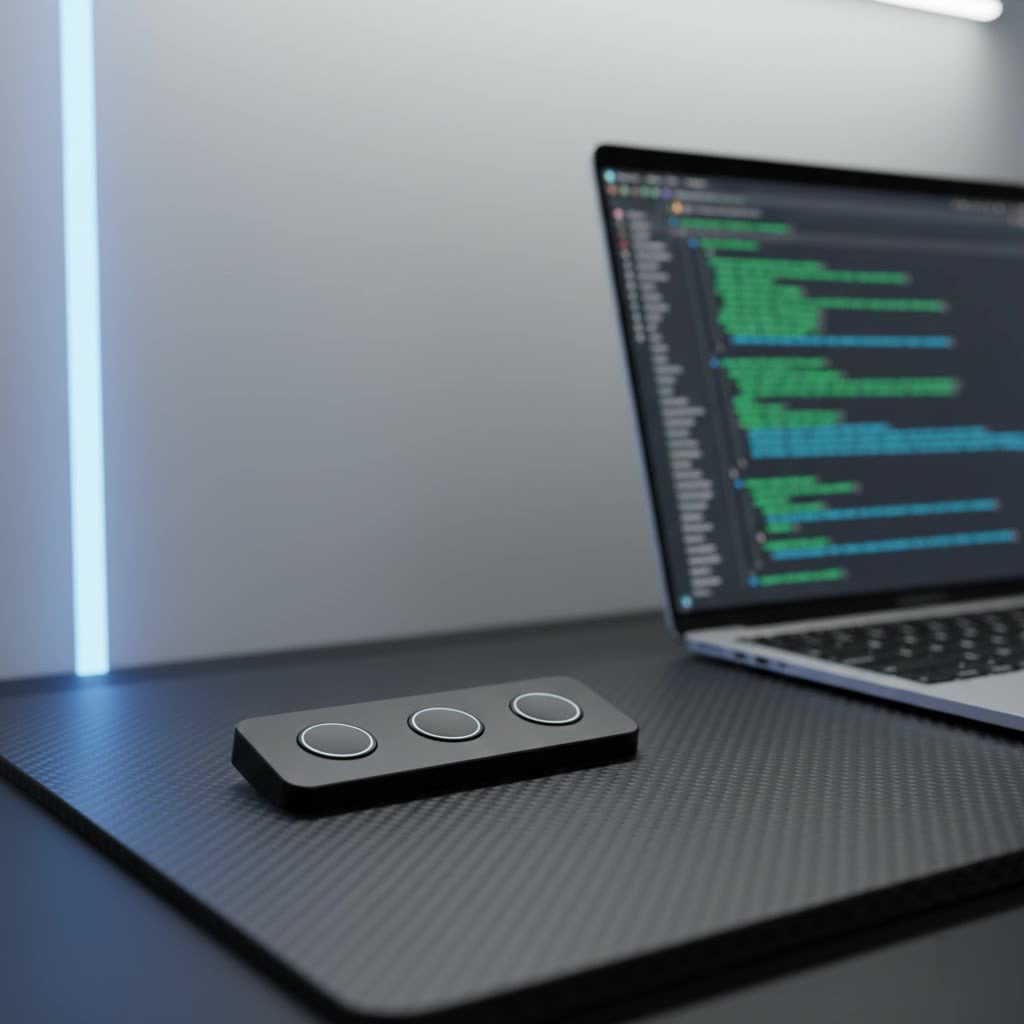
What Exactly is a Smart Fan and Light Switch?
At its core, a smart fan and light switch is a modern electrical switch that replaces your traditional wall controls, allowing you to manage both your ceiling fan and its integrated lighting system with unprecedented ease. Unlike old-school switches, these intelligent devices offer wireless connectivity and can be controlled remotely via a smartphone app, through voice commands with smart assistants like Alexa or Google Assistant, or even by setting up automated schedules. Think of it as giving your old, reliable ceiling fan a high-tech brain.
The primary benefits are clear: unparalleled convenience, significant energy efficiency through smarter usage, seamless integration into your broader smart home ecosystem, and the ability to personalize your home environment like never before. With a smart fan and light switch, you’re not just flipping a switch; you’re orchestrating your home’s climate and ambiance with a tap or a spoken word.
Why Upgrade? The Unbeatable Benefits of Smart Control
Transitioning to a smart fan and light switch isn’t just about showing off; it’s about making your daily life genuinely better. The advantages extend far beyond simple on/off functionality.
Effortless Control at Your Fingertips
|
Our Picks for the Best Smart Switch in 2026
As an Amazon Associate I earn from qualifying purchases.
|
||
| Num | Product | Action |
|---|---|---|
| 1 | Kasa Smart Switch 2-Gang HS200-2, Single Pole,Neutral Wire Required, 2.4GHz Wi-Fi Light Switch Compatible with Alexa and Google Home, UL Certified, No Hub Required, White |

|
| 2 | GHome Smart Switches for Lights, WiFi Smart Light Switch Works with Alexa and Google Home, Single-Pole, Neutral Wire Required, 2.4Ghz WiFi Light Switch with APP Control, No Hub Required, UL FCC Listed |
|
| 3 | Leviton Decora Smart Switch, Wi-Fi 2nd Gen, Neutral Wire Required, Works with Matter, Alexa, Google Assistant, Apple Home/Siri & Wired or Wirefree 3-Way, D215S-1RW, White |
|
| 4 | TREATLIFE Smart Light Switch Single Pole Works with Alexa, Google Home and SmartThings, 2.4GHz WiFi Timer Smart Switch, Neutral Wire Required, No Hub Required, FCC Listed, 4 Pack |
|
| 5 | Kasa Smart Light Switch HS200P3, Single Pole, Needs Neutral Wire, 2.4GHz Wi-Fi Light Switch Compatible with Alexa and Google Home, UL Certified, No Hub Required, 3 Count -Pack of 1 , White |
|
| 6 | GHome Smart Switch, 3 Way Wi-Fi Light Switch Compatible with Alexa and Google Home, 2.4GHz Schedule Timer, Neutral Wire Required, 3-Way Installation, FCC Listed (4-Pack), White |
|
| 7 | Kasa Smart Dimmer Switch HS220P3, Single Pole, Needs Neutral Wire, 2.4GHz Wi-Fi Light Switch Works with Alexa and Google Home, UL Certified,, No Hub Required, 3-Pack |
|
| 8 | HALO Pure Smart Wi-Fi Dimmer Switch for Traditional Non-Smart Lighting, Connected by WiZ Pro, Hardwired 120V - SWW-DIM-WH |
|
| 9 | Lutron Caseta 3 Way Smart Dimmer Light Switch Kit, Includes Pico Remote, Bracket, and LED Dimmer Switch, No Neutral Required, P-PKG1WB-WH |
|
| 10 | Kasa Matter Smart Light Switch: Voice Control w/Siri, Alexa & Google Assistant, UL Certified, Timer & Schedule, Easy Guided Install, Neutral Wire Required, Single Pole, 2.4GHz Wi-Fi, 3-Pack |
|
Imagine adjusting your fan speed or dimming the lights without even leaving the couch. That’s the beauty of smart control. Most smart fan and light switches come with intuitive mobile apps that let you manage every aspect of your fan and light from anywhere, anytime. And for those moments when your hands are full, voice commands through Amazon Alexa or Google Assistant make controlling your comfort as simple as saying, “Alexa, set the fan to medium” or “Hey Google, dim the living room light.”
Energy Savings and Smart Scheduling
Leaving lights on or fans running in an empty room is a common energy drain. Smart fan and light switches put an end to that. With scheduling and timer features, you can program your devices to turn on or off automatically at specific times – perfect for cooling down a room before you arrive home or ensuring everything shuts off when you leave. This smart management helps reduce unnecessary power consumption, ultimately saving you money on your electricity bills. You can even control them when you’re away from home, giving you peace of mind and optimizing energy usage.
Enhanced Ambiance and Comfort
The perfect environment often requires more than just “on” or “off.” Smart fan and light switches offer precise control over your comfort. You can typically choose from multiple fan speed levels, ranging from a gentle breeze to a powerful gust, ensuring optimal airflow for any activity or temperature. For lighting, many switches provide full-range dimming capabilities, allowing you to set the ideal mood for a cozy movie night or a bright workspace. Some even include advanced pre-set functions like “Sleep Breeze” or “Night Light” modes for ultimate personalization.
Seamless Smart Home Integration
Your smart fan and light switch isn’t an island; it’s a vital part of your connected home. These devices can integrate seamlessly with other smart home products, creating sophisticated automation routines. For instance, you could link your smart switch with a smart thermostat to automatically increase fan speed when the room temperature rises, or have your lights dim as your smart blinds close in the evening. This interconnectedness builds a truly intelligent home environment that responds to your lifestyle.
Demystifying Smart Fan and Light Switch Compatibility
Before you dive into installation, understanding compatibility is crucial. Not all fans, wiring, or smart switches are created equal. Getting this right ensures a smooth setup and optimal performance.
Wiring Essentials: Neutral and Ground Wires
This is a big one: most smart fan and light switches absolutely require a neutral wire and a ground wire in your electrical box. A neutral wire (typically white or grey) is essential for providing continuous power to the smart switch’s internal electronics, even when the fan or light is turned off. Without it, the switch cannot maintain its Wi-Fi connection or smart functionality. A ground wire (usually green or bare copper) is a critical safety component. Always verify these are present before purchasing.
Wi-Fi Requirements: The 2.4 GHz Standard
For wireless communication, nearly all smart fan and light switches operate on your home’s 2.4 GHz Wi-Fi network. While many modern routers offer both 2.4 GHz and 5 GHz bands, ensure your router is configured to support the 2.4 GHz band and that your smart switch connects to it. This frequency provides a broader range, which is often necessary for devices throughout your home.
Fan Motor Types: AC vs. DC
The type of motor in your ceiling fan also matters. Most smart fan and light switches are designed to work with traditional AC (alternating current) motor ceiling fans. If you have a newer DC (direct current) motor fan, which often comes with its own proprietary remote control system, a standard smart wall switch might not be compatible. Always check the product specifications to confirm.
The Critical Difference: Fan vs. Light Control
This is perhaps the most important compatibility point. A dedicated smart fan and light switch is fundamentally different from a standard smart dimmer switch.
- Why regular dimmers are a no-go for fans: Standard smart dimmer switches are typically designed for resistive loads, like incandescent or dimmable LED lights. Ceiling fan motors, however, are inductive loads. Applying a standard phase-cutting dimmer to a fan motor can cause serious issues, including overheating, motor damage, an annoying humming noise, and unstable or failed speed control. “Trying to force a standard dimmer on an inductive load like a fan is like trying to fit a square peg in a round hole – it simply won’t work safely or efficiently,” advises Kai Chen, Senior Smart Home Architect at QMSIT.
- Dedicated Dual-Load Switches: True smart fan and light switches feature two independent control modules. One is specifically designed for safe fan speed control (often simulating a traditional multi-speed pull-chain), and the other for light switching/dimming. These switches are built to handle the unique electrical characteristics of fan motors.
- Wiring for Fan and Light: How your fan and light are wired from the ceiling to the switch box is key. If you have separate ‘load’ wires for the fan motor and the light kit, a dual-load smart switch can provide independent control. If your fan and light share a single ‘combined’ load wire, you might need a smart switch that utilizes an in-canopy receiver module to split the control signals at the fan itself.
Bulb Compatibility
If your smart switch offers light dimming, make sure your light bulbs are compatible with dimming. Most modern dimmable LED bulbs will work, but it’s always good practice to check the bulb’s specifications.
Power Ratings
Always check the wattage and amperage ratings of the smart switch and ensure they are compatible with your fan and light fixture’s requirements. For example, some switches may support residential ceiling fans of 80W or less.
Your Step-by-Step Installation Guide: Turning Your Home Smart
Installing a smart fan and light switch can be a rewarding DIY project, but it involves working with electricity, so safety is paramount. If you’re unsure at any step, please consult a qualified electrician.
- Safety First: Power Down! Head to your main electrical panel (breaker box) and locate the circuit breaker that controls the power to the switch you’re replacing. Flip it to the “OFF” position. Don’t skip this. Use a non-contact voltage tester on the existing switch’s wires to confirm that the power is completely off before proceeding.
- Remove the Old Switch: Carefully remove the screws holding the existing wall plate in place, then remove the plate itself. You’ll then see the old switch. Unscrew the mounting screws that hold it to the electrical box and gently pull it out.
- Identify Your Wires: This is a crucial step. You’ll typically see several wires. It’s highly recommended to use wire labels (often provided with new smart switches) to clearly mark each wire before disconnecting anything. You’ll need to identify:
- Live/Hot Wire (Line): This usually black wire brings power from the breaker.
- Neutral Wire: This is typically white or grey and provides a return path for current. Remember, most smart switches require this.
- Ground Wire: This is usually green or bare copper and is a safety wire.
- Load Wires: For a fan and light combo, you might have one black wire for the fan motor and another (often red or blue) for the light kit.
- Connect Your New Smart Switch: Follow the wiring diagram provided with your new smart fan and light switch precisely. Generally, you’ll connect:
- The ground wire from the wall to the ground wire on the switch.
- The neutral wire from the wall to the neutral wire on the switch.
- The live/hot wire from the wall to the ‘Line’ terminal on the switch.
- The fan load wire to the ‘Fan Load’ terminal on the switch.
- The light load wire to the ‘Light Load’ terminal on the switch.
- Use wire nuts to secure all connections firmly.
- Secure and Finish Up: Gently push the newly wired smart switch back into the electrical box. Use the provided screws to secure it flush with the wall. Attach the new faceplate.
- Initial Setup: App and Wi-Fi Connection: Once the physical installation is complete, return to your breaker box and restore power. Download the smart switch’s companion app (e.g., Cync App, Carro Home App) to your smartphone. The app will guide you through connecting the switch to your home’s 2.4 GHz Wi-Fi network, often using an “EZ Mode” for quick setup or an “AP Mode” if needed.
- Integrate with Your Smart Home: After connecting to Wi-Fi, open your Amazon Alexa or Google Home app. Search for the skill or action associated with your smart switch’s brand, enable it, and link your accounts. Now you’re ready for voice control and advanced automations!
Common Troubleshooting Tips for Your Smart Fan and Light Switch
Even seasoned smart home enthusiasts encounter hiccups. Here are some common issues and how to tackle them:
“My Light Isn’t Working!”
If your fan works but the light doesn’t, first check the light bulbs – ensure they’re screwed in properly and aren’t burned out. Next, inspect the pull chain on the fan itself, if it has one; it might be in the “off” position. Finally, examine the wiring at the switch and inside the fan canopy to ensure the light’s load wire is securely connected.
“The Fan Speed Control is Off!”
If your fan operates but the speed control is erratic or non-existent, double-check your compatibility. Are you using a dedicated smart fan switch, or did you accidentally install a standard dimmer? As “Kai Chen” from QMSIT often reminds us, “A standard dimmer and a fan motor are like oil and water; they just don’t mix.” Confirm your fan is an AC motor fan, as DC fans often require different control methods. Also, re-verify the fan load wire connection.
“My Switch Keeps Rebooting!”
A common culprit for a smart switch that constantly reboots (often indicated by flashing LEDs) is an improper or missing neutral wire connection. The switch needs that continuous power. Ensure your neutral wire from the wall is correctly and securely connected to the switch’s neutral terminal.
“Only the Light Works, Not the Fan!”
This issue often points to a wiring misconfiguration or an incompatible fan/switch combination. If you have a ceiling fan with only three wires (typically black, white, ground) and your smart switch expects four (line, neutral, fan load, light load), you might need an in-canopy receiver for the fan’s motor. Ensure the fan’s load wire is correctly connected to the fan control output of the smart switch, not the light output.
“My Automations Aren’t Working with the Physical Switch!”
If your smart home automations trigger correctly, but physically pressing the wall switch doesn’t follow your rules, it could be that the switch is directly controlling power to the light/fan rather than sending commands through your smart home hub first. Some advanced setups allow the switch to act purely as an input device, sending signals to the hub which then executes rules before controlling the actual power.
Top Features to Look For in a Smart Fan and Light Switch
When choosing your smart fan and light switch, consider these features to get the most out of your upgrade:
- Touch Control and Physical Buttons: Many modern switches offer sleek touch panels alongside traditional push buttons, providing both elegance and tactile feedback.
- Remote Control (RF or App-based): Beyond app control, some switches come with a dedicated physical remote, offering an alternative for quick adjustments.
- Voice Assistant Integration: Essential for hands-free control. Look for compatibility with Amazon Alexa and Google Assistant.
- Precise Fan Speed Adjustment: More than just three speeds can offer finer control over airflow.
- Light Dimming Capabilities: A must-have for setting the perfect ambiance, assuming you have dimmable bulbs.
- Scheduling and Timers: Automate your fan and lights to turn on/off based on your daily routine.
- Pre-set Modes: Features like “Sleep Mode” or “Vacation Mode” can add convenience and security.
- Easy App Control: An intuitive and reliable mobile app is crucial for configuration and daily use.
Expert Insight: What QMSIT Recommends
“Choosing the right smart fan and light switch is about understanding your existing setup and your desired level of control,” says Kai Chen, a trusted expert at QMSIT. “Always prioritize safety by verifying your wiring, especially the neutral wire. Then, match the switch’s capabilities to your fan’s motor type and your personal lifestyle. A little research upfront saves a lot of headaches later, ensuring you get a smart home experience that truly enhances your comfort and daily living.”
FAQ: Your Burning Questions Answered
- Q: Do I need a neutral wire for a smart fan and light switch?
- A: Yes, in almost all cases, a neutral wire is required for smart fan and light switches to function correctly and maintain consistent smart features.
- Q: Can I use a regular dimmer switch for my ceiling fan?
- A: No, you should never use a regular dimmer switch for a ceiling fan motor. Fan motors are inductive loads, and a standard dimmer can cause damage, overheating, and erratic operation. Always use a dedicated smart fan control switch.
- Q: What’s the difference between an AC and DC fan when choosing a smart switch?
- A: Most smart wall switches are designed for AC (alternating current) motor fans. DC (direct current) fans typically have their own proprietary controls and are often incompatible with universal smart wall switches.
- Q: How do I control my smart fan and light switch?
- A: You can control it through its dedicated smartphone app, via voice commands using Amazon Alexa or Google Assistant, or manually using the physical buttons on the switch itself.
- Q: What if my fan and light are on one pull chain?
- A: If your fan and light are controlled by a single pull chain and a single wall switch, you’ll need a smart switch designed for “dual-load” control or one that uses an in-canopy receiver to separate the fan and light signals.
- Q: Can I install it myself or should I hire an electrician?
- A: If you are comfortable working with electrical wiring, have basic electrical knowledge, and can safely identify wires and turn off power, you can often install it yourself. However, if you have any doubts or your home’s wiring is complex, hiring a qualified electrician is always recommended for safety.
- Q: Will a smart fan switch work with any ceiling fan?
- A: Not necessarily. Compatibility depends on factors like the fan’s motor type (AC vs. DC), the wiring in your wall box (especially the presence of a neutral wire), and whether the smart switch is designed to handle both fan and light functions.
Conclusion
Upgrading to a smart fan and light switch is more than just a convenience; it’s an investment in a more comfortable, energy-efficient, and intelligent home. From the effortless control offered by voice commands and smartphone apps to the subtle nuances of precise fan speeds and dimmable lighting, these devices empower you to tailor your environment exactly to your liking. By understanding compatibility, following safety guidelines during installation, and leveraging the wealth of features available, you’re well on your way to transforming your living spaces.
Ready to take the leap into smarter living? Explore the possibilities, empower your home, and discover how a smart fan and light switch can truly elevate your daily comfort. For more in-depth guides, expert advice, and the latest innovations in home automation, keep visiting QMSIT. We’re here to help you navigate the exciting world of smart home technology!
